The American Farm Bureau Federation (AFBF) has urged the U.S. government to take immediate action to prevent potential disruptions in the global food supply chain, warning that ongoing geopolitical tensions could trigger severe shocks for farmers and consumers alike.
In a letter addressed to U.S. President Donald Trump, AFBF President Zippy Duvall highlighted growing concerns about disruptions to shipping through the Strait of Hormuz, a crucial maritime corridor for global energy and fertilizer trade. According to the organization, instability in the Middle East and interruptions in shipping routes could significantly impact the availability and cost of fertilizers—an essential input for agricultural production.
The Farm Bureau noted that fertilizer markets are highly vulnerable to disruptions in maritime transit routes. Since a large share of fertilizer materials and finished products pass through the Strait of Hormuz, any prolonged blockage or security threat could lead to supply shortages and soaring prices. These pressures come at a time when many U.S. farmers are already facing tight profit margins and rising production costs.
Also Read: Agriculture: From traditional farming to global opportunities


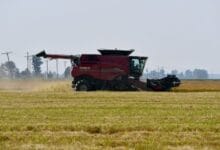
AFBF also warned that the Middle East conflict is driving up energy prices, including diesel, which farmers rely on heavily during planting and harvesting seasons. Higher fuel and fertilizer costs could further squeeze farmers’ finances and ultimately affect food production and consumer prices.
To mitigate the risks, the organization proposed several policy measures. These include ensuring safe maritime transit for fertilizer shipments, reducing financial barriers for cargo vessels transporting fertilizers, and using federal tools to stabilize supply chains.
The Farm Bureau stressed that swift intervention is necessary to avoid cascading effects on agricultural production and the broader food system. Without action, it warned, disruptions in fertilizer supply could translate into lower crop yields and potential food supply shocks in the months ahead.
Also Read: agriculture news